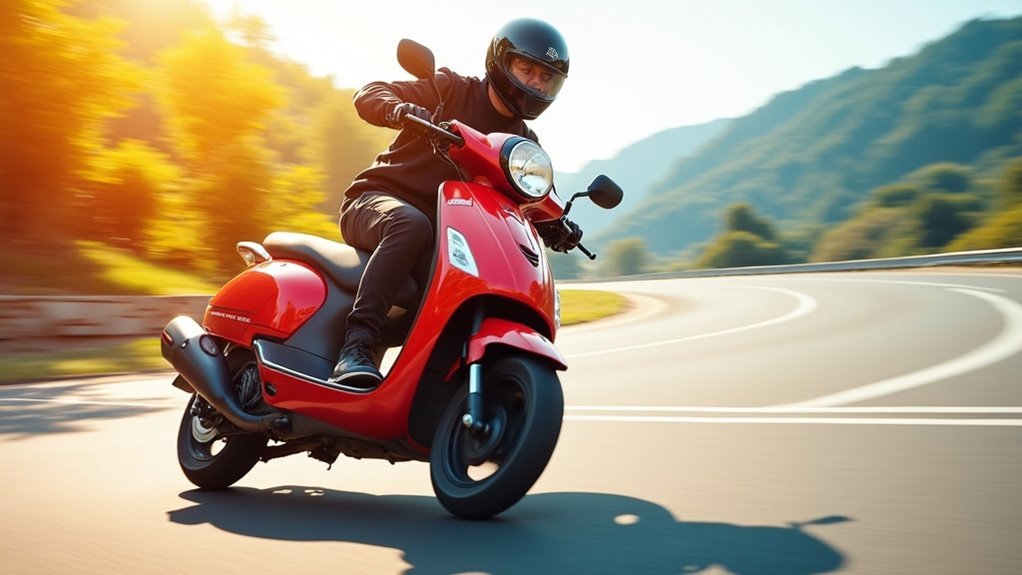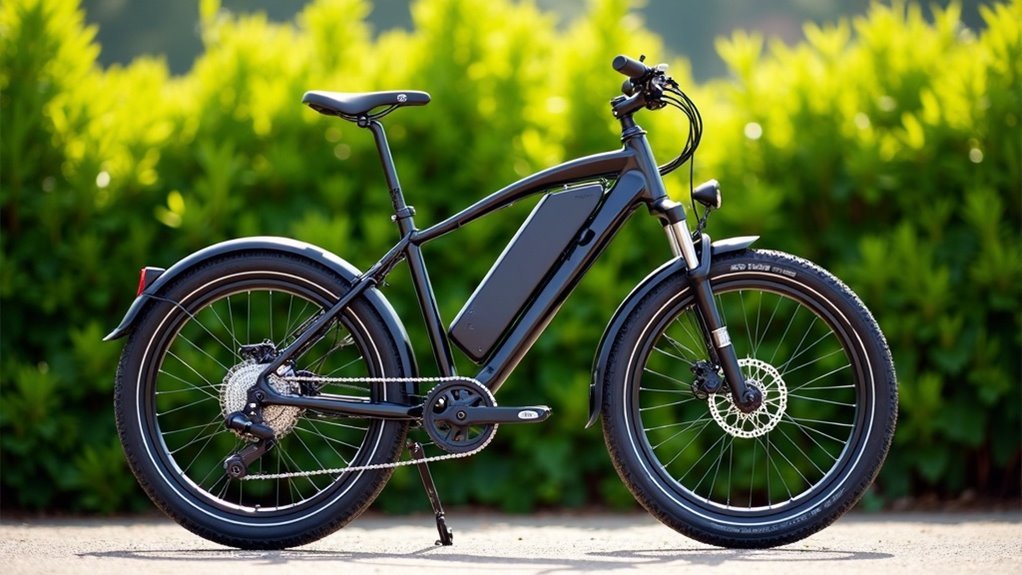
An electric bike, or e-bike, is a bicycle that’s equipped with an electric motor, giving you a boost while you ride. This makes cycling easier and more fun, especially on longer rides or hills. E-bikes come in different classes, offering various assistance levels. You can choose from pedal-assist or throttle options based on your needs. With zero emissions, they’re great for the environment too. Stick around to discover more about their benefits and features!
Key Takeaways
- An electric bike (e-bike) is a bicycle equipped with an electric motor that provides assistance while pedaling.
- E-bikes come in three classes: Class 1 (pedal assist up to 20 mph), Class 2 (throttle assist up to 20 mph), and Class 3 (pedal assist up to 28 mph).
- They enhance cycling experiences by reducing fatigue and increasing travel speed for short trips.
- E-bikes are environmentally friendly, producing zero emissions and promoting sustainable commuting options.
- Common components include hub motors or mid-drive motors and rechargeable lithium batteries for improved performance and range.
Definition of Electric Bikes
Electric bikes, or e-bikes, represent a revolutionary shift in how we think about cycling and personal transportation.
These bicycles come equipped with an electric motor that provides assistance, making them a compelling alternative to traditional bicycles.
E-bikes can be categorized into two types: those with a pedal assist system, like Class 1 e-bikes, which require pedaling for motor support, and throttle-controlled bikes, allowing for effortless cruising.
With motor assistance up to 28 mph, they’re perfect for short trips.
Plus, e-bikes produce zero emissions, showcasing their potential for environmentally friendly commuting while requiring no special registration or licenses.
How Electric Bikes Work
When you hop on an electric bike, you’ll notice that it operates much like a traditional bicycle, but with an added boost from its electric motor.
Electric bikes work by utilizing a pedal assist system, where the motor power kicks in as you pedal, making uphill rides and headwinds manageable.
You can choose from three modes: pedal-only, pedal-assist, or electric-only for a throttle-controlled experience.
Most bikes use Lithium batteries, prized for their lightweight and long lifespan.
This electric assistance enhances your ride, helping you travel farther with less effort, allowing you to serve others by promoting greener transportation options.
Types of Electric Bike Classes
Understanding how electric bikes enhance your ride naturally leads to exploring the different classes that categorize them.
E-bikes are divided into three main classes: Class 1 offers pedal assistance up to 20 mph, while Class 2 includes both pedal assist and throttle options, also capped at 20 mph.
E-bikes come in three classes: Class 1 with pedal assist up to 20 mph, and Class 2 adding throttle options, also capped at 20 mph.
Class 3 provides pedal assistance only, reaching speeds of 28 mph. Knowing these classifications is crucial for compliance with local laws, as Class 1 and Class 2 are typically allowed on bike paths, whereas Class 3 might face restrictions.
Familiarizing yourself with these classes guarantees safe and responsible electric bike usage.
Components of Electric Bikes
When you explore the components of electric bikes, you’ll find that the motor type plays an essential role in performance, with options ranging from hub to mid-drive motors.
The battery specifications also greatly affect your riding experience, especially regarding weight and lifespan.
Finally, understanding the control mechanisms can enhance your overall interaction with the bike, making your ride smoother and more enjoyable.
Motor Types Explained
Electric bike motors play a pivotal role in determining your riding experience, affecting everything from speed to terrain adaptability.
You’ll encounter two main motor types: hub motors and mid-drive motors. Hub motors are simpler to install but may struggle on varied terrain, while mid-drive motors enhance performance by utilizing the bike’s gears for better hill climbing and handling.
When choosing your e-bike, consider wattage; motors typically range from 200W to over 1,000W. Higher wattage means more power but can drain the battery quicker.
Understanding these differences helps you select an e-bike that aligns with your riding style and needs.
Battery Specifications Overview
Batteries are the heart of an electric bike, powering your rides and influencing how far you can go on a single charge.
Most e-bikes use Lithium batteries due to their lightweight design and impressive lifespan of around 800 charge cycles. The power capacity, measured in watt-hours, typically ranges from 300Wh to over 700Wh, directly affecting your bike’s range and efficiency.
Operating voltages usually fall between 24V and 48V, impacting the motor’s performance.
To maintain peak performance, properly care for your battery by avoiding complete discharge and extreme temperatures, ensuring you enjoy every ride to its fullest potential.
Control Mechanisms Differences
Understanding the various control mechanisms of electric bikes can greatly enhance your riding experience.
Electric bicycles offer three modes: pedal-only, pedal assist system (PAS) with adjustable levels of assistance, and electric-only mode. The type of motor—hub or mid-drive—affects performance, especially on inclines.
As you ride, the electrical components, including sensors and controllers, dynamically adjust power output based on your input and terrain, ensuring efficient motor kicks when needed.
Additionally, a display screen provides essential information on speed, battery life, and assistance levels, fostering a safer and more enjoyable journey tailored to your preferences and challenges.
Operating Modes of Electric Bikes
When you hop on an electric bike, you’ll discover three distinct operating modes that cater to different riding preferences and scenarios.
The Pedal-Assist mode employs a pedal assist system, offering varying levels of motor assistance—Low, Medium, and High—making it easier to conquer hills and long distances.
In contrast, the electric-only mode allows you to ride without pedaling, using throttle control, primarily found in Class 2 e-bikes and capped at 20 mph.
Additionally, you can choose Pedal Only mode for a traditional cycling experience.
Understanding these operating modes guarantees you maximize your riding experience while staying compliant with local regulations.
Benefits of Riding Electric Bikes
Riding electric bikes comes with a plethora of benefits that can transform your daily commute and recreational outings.
Riding electric bikes offers numerous advantages that can enhance your daily travels and leisure activities.
These bikes not only make traveling more efficient but also promote healthier lifestyles through their pedal assist system (PAS).
Here’s why you might consider an e-bike:
- Travel faster without fatigue
- Enjoy zero emissions, being environmentally friendly
- Replace cars for short trips, saving on costs
- Engage in physical activity, boosting energy expenditure
- Foster inclusivity, allowing more people to cycle
With electric scooters and e-bikes, you can embrace a more sustainable, active, and accessible mode of transport that benefits both you and the environment.
Safety Recommendations for Electric Bike Riders
While electric bikes offer an exciting and efficient way to travel, prioritizing safety is essential for a smooth ride.
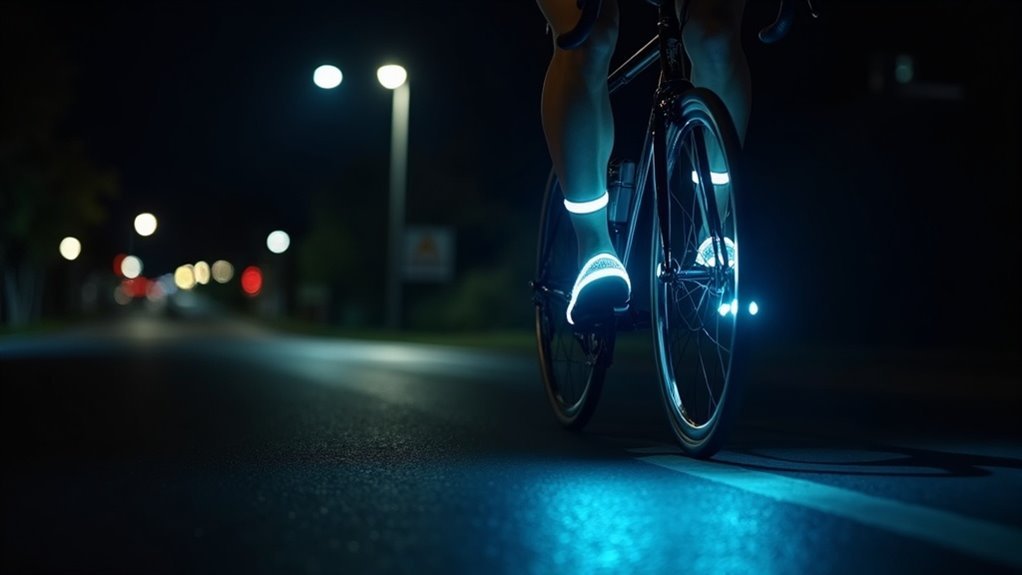
Always wear a helmet—studies show it can reduce head injury risk by 70%. Enhance your visibility with lights and reflective gear, especially in low-light conditions.
Keep a safe distance from vehicles and stay aware of your surroundings, as e-bikes can reach higher speeds than traditional bicycles.
Adhere to local traffic laws, including helmet requirements for younger riders.
Finally, regularly inspect and maintain your e-bike to guarantee brakes, lights, and tires are in top condition, enhancing your overall safety.