To communicate effectively with pedestrians at crosswalks while riding an electric bicycle, make eye contact to confirm awareness and intentions. Slow down as you approach the crosswalk, ensuring you are positioned a safe distance away. Use hand signals early to indicate your actions, making sure pedestrians can see them. Stay alert, minimize distractions, and scan for hidden pedestrians. These strategies foster trust and promote safety. For more insights on enhancing this communication, keep exploring the nuances of rider-pedestrian interactions.
Key Takeaways
- Make eye contact with pedestrians to confirm mutual awareness and intentions at crosswalks while riding your electric bicycle or scooter.
- Use hand signals well in advance to clearly communicate your intended actions when approaching crosswalks.
- Slow down as you approach crosswalks on your electric bicycle or scooter, allowing pedestrians time to cross safely.
- Position yourself a few feet behind the crosswalk line to ensure safety for pedestrians while waiting to cross.
- Stay alert and minimize distractions, regularly scanning for pedestrians, especially those obscured by parked cars or obstacles.
Importance of Driver-Pedestrian Communication
Effective communication between electric scooter riders and pedestrians is essential for ensuring safety on shared pathways, as studies reveal that making eye contact can significantly increase the likelihood of drivers yielding.
To enhance pedestrian safety, scooter riders should always watch for pedestrians and obey traffic signals. Non-verbal gestures, like hand signals, can further improve yielding rates, especially when signaling intentions to pedestrians.
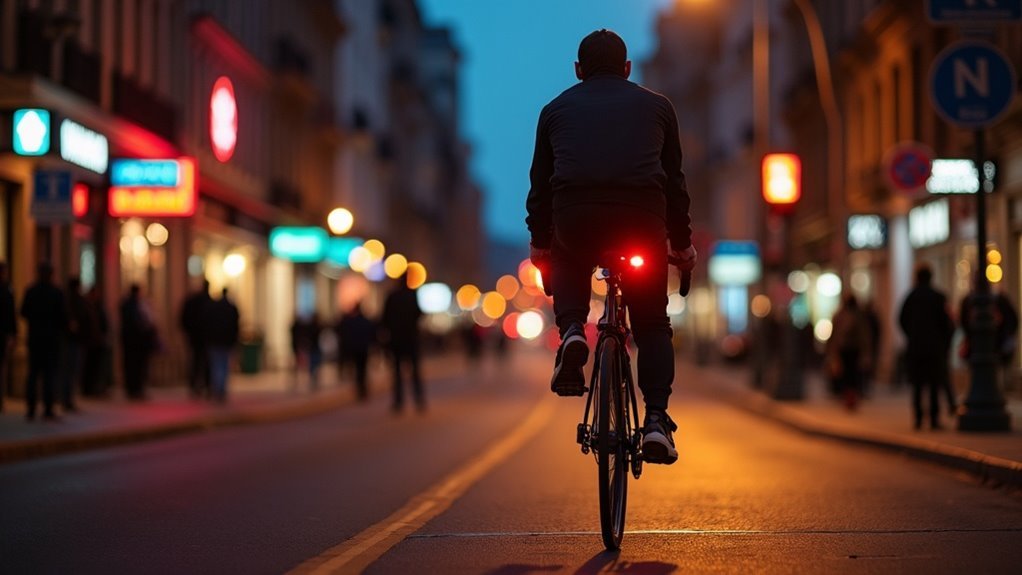
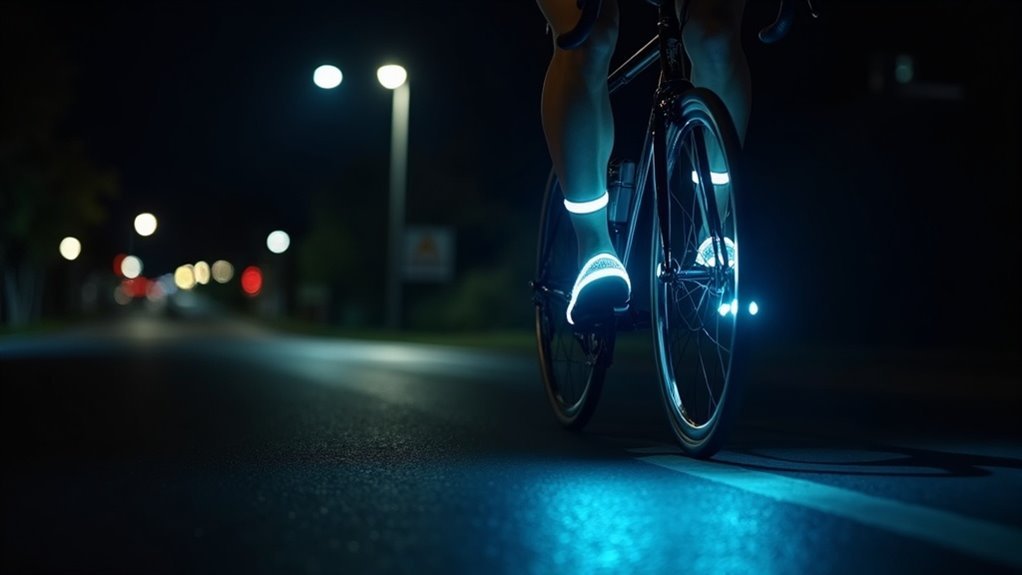
Minimizing distractions, such as phone use, is crucial for maintaining focus while riding. Additionally, wearing reflective gear at night helps pedestrians and drivers recognize scooter riders more easily.
Prioritizing these communication strategies creates a safer environment, urging both scooter riders and drivers to exercise extra caution when navigating near crosswalks and pedestrian areas.
Making Eye Contact
How can making eye contact transform the dynamics between electric scooters and pedestrians at crosswalks? Establishing this connection enhances safety for both scooter riders and pedestrians.
Here are three key reasons to prioritize eye contact:
- Mutual Awareness: Eye contact confirms that both parties acknowledge each other’s presence, reducing misunderstandings and potential accidents.
- Increased Yielding: Studies show that when scooter riders make eye contact with pedestrians, they’re more likely to yield, particularly when aware of the pedestrian’s intent to cross.
- Non-Verbal Communication: A rider’s gaze signals their awareness and intention to navigate around pedestrians, encouraging safer interactions and promoting safety at crossings.
Emphasizing eye contact fosters a safer, more respectful interaction between electric scooter riders and pedestrians.
Slowing Down and Positioning Your Vehicle
Making eye contact is just one part of ensuring safety when riding electric bicycles or scooters; the speed and positioning of your vehicle play a significant role as well.
Begin slowing down well in advance when approaching crosswalks to give yourself time to react and yield to pedestrians, particularly in high-traffic areas.
Always position your electric bike or scooter a few feet behind the crosswalk line, allowing pedestrians to cross safely.
Watch for pedestrians hidden by parked cars, and be vigilant even if they aren’t using pedestrian signals.
Be ready to stop completely for those already in the crosswalk, ensuring your vehicle doesn’t overtake any stopped vehicles yielding to pedestrians.
Using Turn Signals Effectively
Properly using turn signals is essential for enhancing communication between electric scooter riders and pedestrians. Effective signaling not only complies with traffic laws but also fosters trust on the road.
To guarantee pedestrian safety at crosswalks, keep these points in mind:
- Activate your turn signals well in advance, allowing pedestrians to gauge your intentions.
- Make eye contact with pedestrians to confirm they’ve seen your signal and understand your actions.
- Consistently use turn signals to enhance predictability, increasing the likelihood that pedestrians will yield when necessary.
Staying Alert and Avoiding Distractions
While maneuvering near crosswalks, it’s essential to stay alert and minimize distractions to ensure the safety of pedestrians, especially when riding electric bicycles. Distracted riding significantly reduces your ability to yield to pedestrians. Avoid using cell phones and keep your focus on the road. Maintain a safe distance from pedestrians to react promptly as they enter crosswalks. Regularly scan for pedestrians and anticipate their movements, particularly those obscured by parked vehicles. Remember, making eye contact with pedestrians enhances communication and encourages you to stop.
| Action | Purpose | Outcome |
|---|---|---|
| Stay Alert | Recognize pedestrian presence | Increased yielding rates |
| Avoid Distractions | Maintain focus | Reduced accident risk |
| Make Eye Contact | Improve communication | Enhanced safety for pedestrians |
Encouraging Safe Pedestrian Behavior
Encouraging safe pedestrian behavior is essential for reducing accidents at crosswalks, especially with the increasing presence of electric bicycles and scooters on the roads.
Here are three important practices to follow:
- Make eye contact with riders before crossing. This simple act can influence their stopping behavior considerably, ensuring that everyone shares the road safely.
- Always use marked crosswalks and adhere to traffic signals. Remember, pedestrians have the right of way, but it’s vital to follow these rules for safety, particularly when electric scooters and bicycles are nearby.
- Pay attention and minimize distractions. Avoid using your phone while crossing, ensuring you remain alert for any potential hazards, including approaching electric scooters or bicycles.