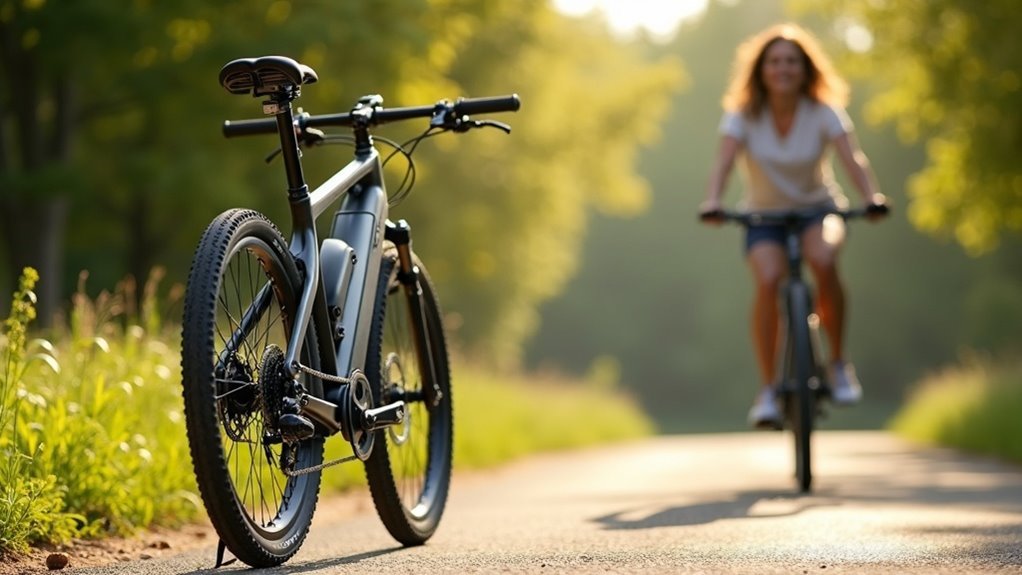
Electric bicycles, or e-bikes, combine traditional cycling with electric components for enhanced performance. They feature a motor that engages when you pedal, boosting power based on your input. Most e-bikes use pedal assist or throttle systems, with batteries providing a range of 20 to 80 miles per charge. These systems work together, allowing you to tackle diverse terrains efficiently. Understanding their mechanics and benefits can improve your riding experience, and more insights await you ahead.
Key Takeaways
- Electric bicycles (e-bikes) combine traditional pedaling with electric motor assistance for enhanced riding experience.
- They can operate in pedal-assist mode, activating the motor when the rider pedals, or throttle mode for direct motor control.
- E-bikes are powered by lithium-ion batteries, offering a range between 20 to 80 miles per charge based on battery capacity.
- Motors, typically ranging from 250W to over 1,000W, provide varying levels of support, aiding in climbing hills and challenging terrains.
- Sensors monitor rider input and terrain conditions to adjust power delivery for optimal support during the ride.
The Basics of Electric Bicycles
Electric bicycles, commonly known as e-bikes, integrate traditional cycling mechanics with advanced electric components to enhance your riding experience.
These electric bicycles utilize motor assistance to provide an effortless ride. Two primary types exist: pedal assist, activating when you pedal, and throttle assist, allowing direct motor engagement.
Most e-bikes are powered by lightweight lithium-ion batteries, offering a range of 20 to 80 miles per charge, depending on capacity. With motor power outputs ranging from 250 to 750 watts, higher wattage aids in climbing hills and maneuvering diverse terrains.
E-bikes are categorized into three classes based on their operational characteristics.
Understanding E-Bike Motors
While exploring the mechanics of e-bikes, understanding the role of the motor is essential for optimizing your riding experience.
E-bike motors typically range from 200W to over 1,000W, with a common choice being the 250W brushless hub motor for efficient propulsion. Hub motors integrate into the rear wheel, providing a tailwind-like sensation while requiring minimal maintenance.
The electric motor’s power delivery adjusts based on real-time sensor data, ensuring responsive assistance.
You can pedal an electric bicycle with either hub motors or mid-drive motors, the latter enhancing performance in challenging terrains, though higher wattage may drain the battery faster.
The Role of E-Bike Batteries
When selecting an e-bike, understanding the role of its battery is vital for optimizing your riding experience.
You’ll find that battery types, capacity, and placement greatly influence range and overall performance.
Analyzing these factors will help you make an informed decision for your specific needs.
Battery Types Explained
Understanding the types of batteries used in e-bikes is essential for optimizing your riding experience. Here’s what you should know:
- Lithium batteries are preferred for their lightweight and long lifespan.
- Battery capacity, measured in watt-hours, directly impacts your e-bike’s range.
- Different power output levels (24V, 36V, 48V) affect performance, especially on inclines.
Lithium-ion technology outperforms older lead-acid batteries in efficiency and maintenance.
With smaller batteries providing around 20 miles and larger ones offering up to 80 miles per charge, selecting the right battery can greatly enhance your riding adventures while ensuring balance and weight distribution on your e-bike.
Capacity and Range
Capacity and range are essential factors in determining the performance of your e-bike. The battery capacity, measured in watt-hours (Wh), directly influences how far you can ride. Typically, lithium-ion batteries allow for a riding range of 20 to 80 miles per charge, contingent on their capacity. A larger battery extends your range but adds weight, impacting your overall experience. Understanding these specifications, including amp-hours and voltage, is vital for selecting the right e-bike for your needs.
| Battery Capacity (Wh) | Riding Range (Miles) |
|---|---|
| 250 | 20 |
| 500 | 40 |
| 750 | 60 |
| 1000 | 80 |
Placement and Balance
The placement of the e-bike battery plays a critical role in maintaining ideal balance and handling. Proper weight distribution enhances performance, allowing for smoother navigation and stability.
Here are key factors to reflect upon:
- Center of Gravity: A low, centered battery improves balance during turns and rough terrain.
- Weight Efficiency: Lighter lithium-ion batteries boost overall bike performance and reduce rider strain.
- Accessibility: Thoughtful placement guarantees easier charging and maintenance without sacrificing aesthetics.
How Pedal Assist Mechanism Works
The pedal assist mechanism activates the motor as soon as you apply force to the pedals, creating a seamless boost in power.
You can adjust the level of assistance based on your needs, selecting from modes like Eco, Medium, or Power to match the terrain.
However, it’s crucial to maintain continuous pedaling; the motor will disengage if you stop or exceed the maximum speed limit.
Motor Activation Process
When you apply force to the pedals of an electric bicycle, the pedal assist mechanism activates the motor, seamlessly enhancing your effort with electric power.
This motor activation process relies on sensors that monitor your input and the terrain, guaranteeing ideal support.
Key features include:
- Adjustable assistance levels, allowing you to choose from Eco to Power modes.
- Continuous pedaling keeps the motor engaged, providing consistent support.
- Assistance ceases when you stop pedaling or reach maximum speed, adhering to legal regulations.
This functionality guarantees a smooth, efficient ride tailored to your needs while promoting safe cycling practices.
Assistance Level Control
Understanding how the assistance level control works is essential for maximizing your electric bicycle experience. This system activates the motor based on your pedaling effort, providing tailored assistance to match your needs.
You can adjust assistance levels through a control unit, choosing modes like Eco, Medium, or Power. The motor delivers power proportional to your input; the harder you pedal, the more support you receive.
Real-time sensors monitor factors like speed and torque, dynamically optimizing motor assistance. This guarantees you get the right level of help, enhancing your ride while promoting an active cycling experience.
Continuous Pedaling Requirement
To maintain motor assistance on an electric bicycle, continuous pedaling is essential. The pedal-assist mechanism engages the motor only when you actively pedal, ensuring a dynamic riding experience.
Key aspects include:
- The motor adapts to your pedaling force, enhancing overall efficiency.
- Assistance levels can be adjusted, allowing you to choose how much support you need.
- Continuous pedaling optimizes battery usage, extending your ride range.
If you stop pedaling, the motor assistance ceases immediately, emphasizing the importance of consistent motion for effective motor engagement.
Embrace continuous pedaling to maximize your e-bike’s potential and enjoy a seamless ride.
Operating an Electric Bicycle
Operating an electric bicycle combines the familiarity of traditional cycling with the advantages of modern technology. You can choose between pedal-only, pedal-assist, and electric-only modes. The control unit on your handlebars lets you activate the e-bike and select assistance levels, from Eco to Power. The motor engages when you pedal, providing real-time support based on your input and terrain. Battery life is vital, as a lithium-ion battery determines your range, typically between 20 to 80 miles per charge.
| Mode | Motor Power | Battery Life |
|---|---|---|
| Pedal-only | None | Unlimited |
| Pedal-assist | Varies | 20-80 miles |
| Electric-only | Full power | 20-80 miles |
Safety Recommendations for E-Bike Riders
While riding an electric bicycle can be an exhilarating experience, prioritizing safety is essential to guarantee a secure journey. Here are key recommendations for e-bike riders:
- Always wear a helmet to minimize head injury risk, regardless of local laws.
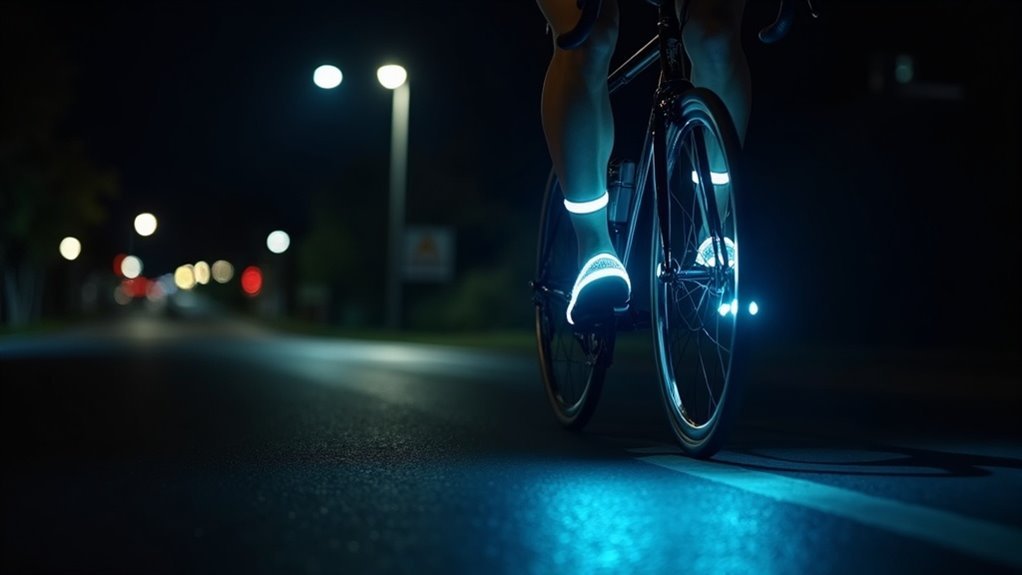
- Enhance your visibility with front and rear lights, especially in low-light conditions.
- Regularly check your braking system for reliability in emergencies.
Additionally, wear reflective gear for increased visibility, and stay aware of your surroundings, including traffic and pedestrians.
Implementing these safety measures can markedly reduce accident risks and ensure a safer ride for everyone on shared pathways.
Benefits of E-Bikes for Commuting and Recreation
As cities become increasingly congested, electric bicycles (e-bikes) offer a practical solution for both commuting and recreational activities. E-bikes assist riders in covering longer distances efficiently, reducing commuting time considerably. They promote physical activity, enhancing cardiovascular health and encouraging daily cycling routines. With an average range of 20 to 80 miles per charge, e-bikes are ideal for longer commutes without frequent recharging. Additionally, they lower your carbon footprint by producing no emissions.
| Benefit | Description | Impact |
|---|---|---|
| Time Efficiency | Faster travel | Reduced commute time |
| Health Improvement | Increased physical activity | Better cardiovascular health |
| Environmental Impact | Zero emissions during operation | Cleaner urban areas |
Future Trends in Electric Bicycle Technology
The future of electric bicycle technology is poised for significant transformation, driven by innovations in battery systems and smart connectivity. You can expect:
- Advanced battery technology with higher energy density and rapid charging.
- Smart technology integration for real-time performance tracking and adjustments via mobile apps.
- Enhanced power delivery systems using responsive sensors for ideal motor assistance.
Additionally, lightweight materials like carbon fiber will improve maneuverability, while new safety features, including advanced braking and collision detection, will promote safer rides.
These developments promise to elevate your e-biking experience, making it more efficient, enjoyable, and secure.