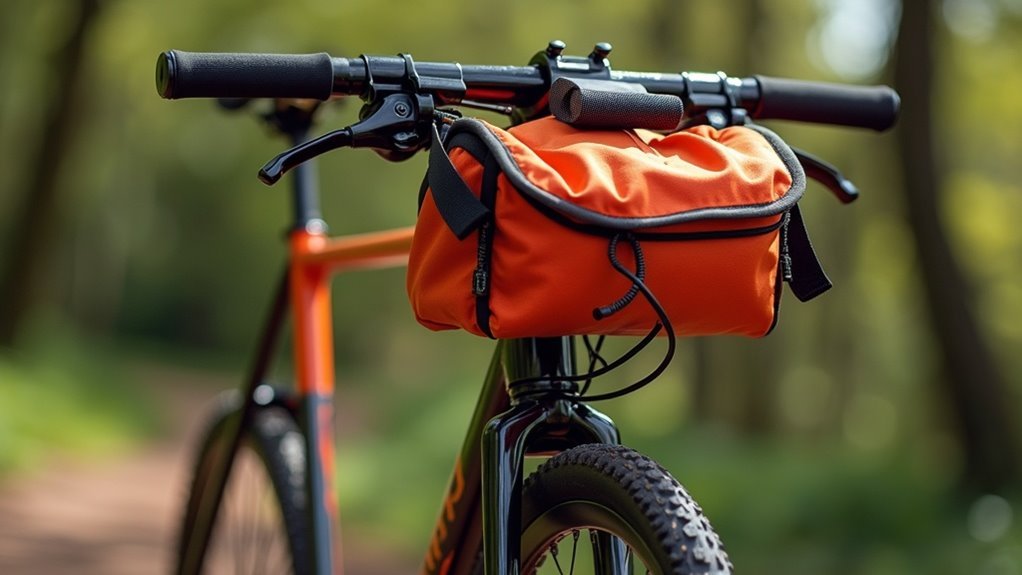
To mount frame bags on electric bicycles without risking cable rub, position the bag carefully to avoid contact with cables. Use durable materials like 500 Denier Cordura and adjustable straps for the best fit. Incorporate protective solutions—such as clear tape on cable guides and padded areas—to cushion against friction. Regularly inspect and adjust strap tension to maintain clearance, and manage loose cables effectively. You’ll discover more techniques to enhance your setup and prevent wear on your electric bike.
Key Takeaways
- Choose frame bags made from durable materials like 500 Denier Cordura, which resist wear from cables and frame contact on electric bicycles.
- Use adjustable straps to position the bag properly, ensuring it hangs away from cables and minimizes friction, especially important for the intricate wiring found in electric bike systems.
- Implement protective solutions like clear tape or padded bar tape around sharp cable guides to prevent abrasion, taking care to protect the sensitive wiring typical in electric bicycles.
- Regularly inspect cable routing and bag positioning for wear, adjusting strap tension to maintain optimal alignment, as proper alignment is crucial for electric bike performance.
- Secure loose cables with ties or clips to keep them away from the frame bag and reduce the risk of cable rub, which can interfere with the electric components of the bike.
Understanding Cable Rub and Its Impact
While you ride your electric bicycle, it’s essential to be aware of cable rub, which occurs when exposed cables make contact with your frame bag. This contact can lead to significant wear on both the cables and the bag, especially where cable guides on the top tube have sharp edges.
Heavy frame bags may exacerbate this issue by pulling down on fixings, increasing the risk of abrasion. To mitigate cable rub, consider using cable housing or protective liners that shield cables from direct contact.
Regularly monitoring these contact points is important to prevent long-term damage and maintain peak performance of your electric bike for optimal rides.
Choosing the Right Frame Bag
When choosing a frame bag for your electric bicycle, make certain it fits well with your bike’s cable setup to prevent any contact that could cause wear.
Look for durable materials, like 500 Denier Cordura, to extend the bag’s lifespan while protecting your frame.
Adjustable straps are essential for proper positioning, helping you avoid direct contact with exposed cables, which is particularly important given the additional components and wiring present in electric bikes.
Bag Compatibility With Cables
Choosing the right frame bag for your electric bicycle involves careful consideration of how it interacts with your bike’s cable system.
Opt for frame bags with padded areas or protective linings to reduce contact with exposed cables, especially since electric bikes often have additional wiring for battery and motor systems.
Look for designs that accommodate cable routing, ensuring straps don’t interfere with cable movement. Models like the Jannd Frame-Pac require precise installation to avoid rubbing against cable guides, so assess your bike’s layout before purchasing.
Select bags with adjustable mounting systems tailored to your electric bike’s geometry, preventing excess pressure on cables.
Additionally, consider options that allow for protective sleeves to safeguard against wear from bag contact, particularly around sensitive electrical components.
Material Durability Considerations
Selecting a frame bag made from durable materials is essential for protecting your electric bicycle’s cables and ensuring longevity. Consider options like 500 Denier Cordura, which offers durability but may not fully resist cable movement.
Look for bags with padded protection to cushion contact points and minimize wear. Some bags use velcro straps that, while strong, can rub against cables, so confirm proper fit and strap placement.
Adding protective frame tapes can further extend the lifespan of both your frame and cables. Finally, assess the bag design to allow proper cable routing and avoid sharp edges that may cause damage.
Strap Design and Positioning
While you might focus on material durability, strap design and positioning are equally essential when it comes to frame bags for your electric bicycle.
Choose bags with adjustable straps that allow routing under cables, minimizing contact. Look for padding or reinforced areas to protect against sharp cable guides.
Make sure the straps distribute weight evenly to prevent sagging, which can lead to cable rub. Opt for designs that hang away from the top tube and cables, reducing friction.
Regularly inspect strap tension and bag positioning to maintain ideal clearance, ensuring a smooth ride without potential damage to your cables or bag.
Protective Solutions for Cable Guides
To protect your electric bicycle’s frame bag from sharp cable guide edges, consider wrapping the guides with clear tape or electrical tape.
Alternatively, you can use padded bar tape for added cushioning against abrasion.
Avoid grinding off cable guides, as this can weaken your electric bike frame and lead to further complications.
Clear Tape Application
Applying clear tape to cable guides on electric bicycles is an effective way to create a protective barrier that prevents your frame bag from rubbing against sharp edges. This clear tape application guarantees a snug fit, reducing potential damage.
| Tape Type | Benefits |
|---|---|
| Electrical Tape | Cushions against abrasion |
| Clear Protective Tape | Discreet and durable |
| Padded Bar Tape | Adds extra padding |
Make certain the tape is securely applied, covering all contact points for maximum protection. Regularly inspect the tape for wear and replace it as needed to maintain effective protection for your frame bag and bike.
Padded Bar Tape
Padded bar tape offers a simple yet effective solution for protecting cable guides on your electric bicycle’s top tube. This cushioning layer prevents wear on both your frame bag and cables, ensuring a smoother ride.
Here’s why you should consider using padded bar tape on your e-bike:
- Conformability: It wraps snugly around sharp cable guides, minimizing movement.
- Vibration Absorption: The materials used absorb vibrations, protecting your cables’ integrity, especially important for the electrical components in electric bicycles.
- Customization: Available in various colors and thicknesses, you can tailor both aesthetics and protection to your preference.
Using padded bar tape is a cost-effective way to mitigate cable rub issues on your electric bike without extensive modifications.
Cable Guide Modifications
Protecting your cable guides is essential for maintaining both the functionality and longevity of your electric scooter.
You can implement effective cable guide modifications by wrapping them with clear or electrical tape, creating a protective barrier against frame bag abrasion. Alternatively, consider using padded bar tape for added cushioning.
To insulate cables without compromising their movement, small tubing or housing can be beneficial. Avoid grinding down cable guides, as this can jeopardize structural integrity.
Regularly inspect contact points between your frame bag and cable guides to identify wear early, allowing for timely protective measures and ensuring peak performance.
Proper Strap Placement Techniques
How can you guarantee your mounting frame bag is securely positioned on your electric bicycle without interfering with the bike’s cables? Proper strap placement is key. Follow these techniques for ideal results:
- Position bag straps beneath the exposed cables on the top tube to minimize contact and prevent cable rub, which is crucial for the functionality of electric bike systems.
- Monitor strap tension, adjusting to the loosest secure setting to allow the bag to hang away from cables, ensuring that electrical connections aren’t pinched or strained.
- Use thin protective layers, like duct tape or cable housing, for extra cushioning between the bag and cables, safeguarding against wear and tear that can affect electrical performance.
Regularly inspect both the bag and cables for wear, ensuring timely adjustments to your setup for a smooth and reliable ride on your electric bicycle.
Community Tips and Shared Experiences
Engaging with the biking community can greatly enhance your experience with mounting frame bags on electric bicycles.
Many users suggest routing bag straps beneath exposed cables to minimize wear and prevent cable rub. Installing protective housing around cable sections effectively shields them from abrasion.
Some have found that using clear or electrical tape on sharp cable guides reduces damage. An essential tip from fellow cyclists is to adjust strap tension to the loosest secure setting, which helps lessen wear on both the frame and cables.
Sharing insights and experiences can lead to innovative solutions for your electric bicycle frame bag setup.
Regular Maintenance and Monitoring
Regular maintenance and monitoring are essential for ensuring the longevity of your frame bag and the cables on your electric bicycle.
To prevent cable rub, follow these steps:
- Regularly inspect your frame bag and cable routing for signs of wear or contact.
- Monitor the tension of bag straps; they shouldn’t be overly tight to avoid abrasion against cables.
- Periodically clean areas around cables and the frame bag to minimize dust and debris buildup.
Alternative Mounting Solutions for Frame Bags
While exploring alternative mounting solutions for frame bags on electric bicycles, it’s crucial to contemplate methods that enhance both stability and cable protection.
Routing bag straps under exposed cables on the top tube effectively prevents cable rub. Additionally, consider installing shifter cable housing on these sections to provide a protective barrier that supports strap positioning.
Using protective tape on sharp cable guides can also mitigate damage to your frame bag. For better stability, employing a handlebar extender or a Restrap Bumper Bar can lower the bag’s mounting position.
Finally, regularly check your setup and adjust strap tension to prolong the life of your gear.