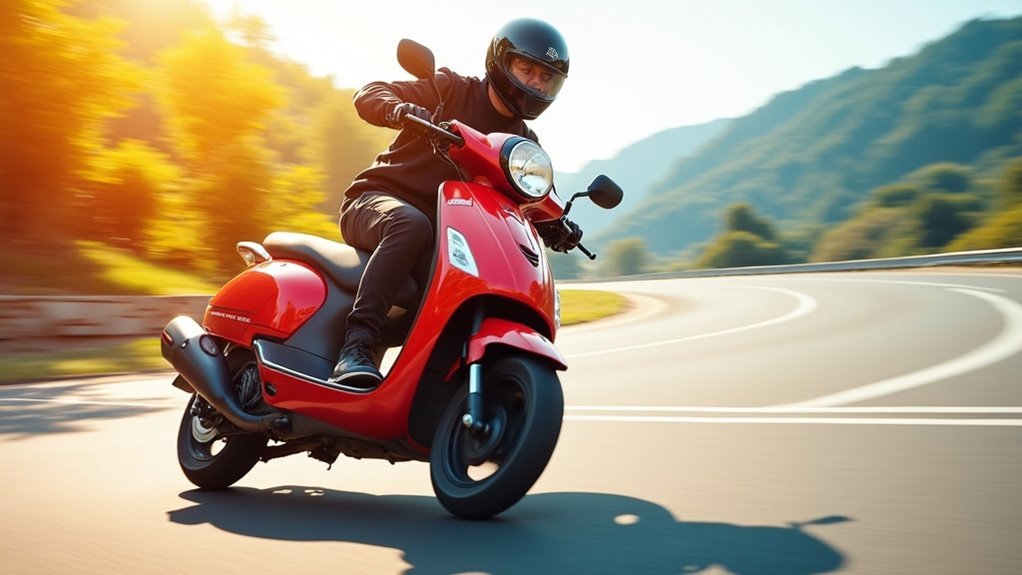
After a near miss incident while riding an electric scooter, you should reflect on what happened and identify contributing factors. Analyze your actions, distractions, and environmental influences. Set clear, achievable goals using SMART criteria to modify your behavior. Implement strategies like the SIPDE method for improved awareness and minimize distractions while riding. Build a support system through clubs or forums to enhance resilience. By systematically addressing these aspects, you can reset your habits effectively and promote long-term safety. Discover more insights ahead.
Key Takeaways
- Reflect on the near miss incident involving your electric scooter to identify contributing factors and understand personal actions that led to the situation.
- Set SMART goals to address specific habits, such as reducing distractions or practicing defensive riding techniques on your electric scooter.
- Implement the SIPDE method to enhance hazard anticipation and maintain awareness while riding your electric scooter.
- Engage in regular self-assessment through journaling to track progress and reinforce positive changes in your riding behavior with your electric scooter.
- Participate in community workshops or forums to share experiences and foster a supportive network that encourages safe riding practices for electric scooters.
Understanding the Impact of Near Miss Incidents
When you experience a near miss while riding an electric bicycle, your body responds immediately, triggering a cascade of stress hormones that heighten your anxiety and leave you feeling unsettled.
This psychological impact often leads to altered behaviors, such as avoiding similar routes or situations, which can diminish your confidence in riding.
Research indicates that each near miss could result in multiple actual crashes, emphasizing the importance of reporting these incidents.
Engaging in reflective practices allows you to assess your reactions and behaviors, fostering a safety culture focused on preventing future occurrences.
Understanding this impact is essential for personal growth and enhanced safety while riding an electric bicycle.
Immediate Actions to Take After a Near Miss
Although a near miss can be jarring, taking immediate action is vital for safeguarding safety and preventing future incidents, especially when it involves electric bicycles or scooters.
First, secure the area to eliminate further hazards, such as ensuring that riders are at a safe distance and stopping ongoing riding activities nearby.
To prevent further incidents, ensure riders are at a safe distance and halt any ongoing activities in the area.
Deploy safety personnel to assess the situation and identify potential hazards specific to electric mobility devices.
It’s important to document the near miss, noting the time, location, individuals involved, and a description for thorough investigation.
Promptly report incidents to foster a culture of safety; effective communication guarantees everyone is aware of risks associated with electric bicycles or scooters.
Analyzing Contributing Factors to the Incident
To effectively analyze the near miss involving electric scooters, you need to reflect on both human error and environmental influences.
Evaluating your actions, like distractions or speeding on the scooter, alongside external factors such as weather conditions and visibility, is essential.
This thorough evaluation not only uncovers the root causes but also sets the stage for meaningful improvements in your riding habits.
Human Error Considerations
Understanding human error is crucial for analyzing near miss incidents involving electric scooters, as it often plays a significant role in their occurrence. About 80% of accidents with electric scooters involve some level of human mistake, highlighting distractions, poor decision-making, and inadequate training as key factors.
By employing root cause analysis techniques like the 5 Whys, you can pinpoint specific errors related to scooter operation and address system weaknesses. Regular training and simulation exercises can enhance rider skills, reduce errors by up to 30%, and foster a strong safety culture among users.
Your commitment to safety and continuous improvement is essential in preventing incidents and ensuring a safer environment for everyone involved in electric scooter use.
Environmental Influences Assessment
While many factors contribute to near misses involving electric scooters, environmental influences often play a critical role in shaping the safety of the riding experience.
By conducting thorough risk assessments, you can identify hazards tied to environmental conditions like poor visibility and road obstructions.
Reporting and analysis of these factors reveal patterns that highlight potential risks, prompting timely interventions.
Establishing a proactive safety culture encourages regular assessments, leading to improved safety measures.
Research shows that addressing these environmental factors can reduce near misses considerably, creating a safer environment for scooter riders and fostering a community that prioritizes safety for all.
Setting Clear and Achievable Goals for Change
Setting clear and achievable goals is essential for effective behavior change, especially after experiencing a near miss while riding an electric scooter. By utilizing the SMART criteria, you can set measurable goals that align with your personal safety priorities. Track your progress in a riding safety journal to reinforce commitment and adapt as needed.
| Goal Type | Example Goal |
|---|---|
| Specific | Reduce distractions while riding |
| Measurable | From 5 to 2 occurrences per week |
| Achievable Objective | Practice defensive riding for 15 mins daily |
| Feedback and Progress | Review goals weekly for adjustments |
These strategies enhance risk management and improve overall safety performance while using electric scooters.
Strategies for Mindful Driving Practices
Effective riding practices for electric scooters hinge on your ability to remain mindful and aware of your surroundings. By adopting strategies that enhance your focus, you can greatly reduce the risk of near misses and promote a safety culture within your community.
Effective riding practices for electric scooters rely on mindfulness and awareness to enhance safety and reduce risks.
Consider these practices:
- Implement the SIPDE method to anticipate and react to hazards effectively while navigating through traffic.
- Maintain a safe following distance to guarantee ample reaction time for unexpected changes in your environment.
- Minimize distractions by avoiding phone use and other activities that compromise focus while riding.
These actions not only mitigate risks but also create learning opportunities and pave the way for the implementation of corrective actions, reinforcing your commitment to safety while using electric scooters.
The Role of Defensive Driving in Recovery
After a near miss while riding an electric bicycle, implementing defensive biking techniques can greatly boost your confidence and enhance your safety on the road.
By practicing proactive strategies like maintaining a safe distance from other vehicles and continuously scanning for hazards, you not only improve your situational awareness but also foster a sense of control.
This shift in mindset can be essential for rebuilding your riding confidence and reducing anxiety in future situations.
Confidence Building Techniques
While facing the aftermath of a near miss on an electric bicycle can be intimidating, embracing defensive riding techniques offers a pathway to rebuild your confidence on the road.
By enhancing situational awareness and proactive decision-making, you can effectively mitigate anxiety and foster resilience.
Consider these confidence-building strategies:
- Regularly participate in safety training programs specifically designed for electric bicycle riders to refine your skills.
- Practice the SIPDE method (Scan, Identify, Predict, Decide, Execute) to improve risk assessment while navigating traffic.
- Maintain a safe following distance from vehicles and pedestrians, and frequently check your mirrors and surroundings to regain control.
Implementing these techniques not only prepares you for unexpected situations but also strengthens your overall riding confidence on your electric bicycle.
Proactive Safety Strategies
Building on the confidence gained through safety training and the SIPDE method, adopting proactive safety strategies becomes a pivotal aspect of your recovery process while riding electric bicycles. By implementing defensive riding techniques, you not only reduce the likelihood of future near misses but also foster a culture of safety within your cycling community. Regular training helps you identify hazards, report incidents, and execute preventive actions effectively.
| Defensive Riding Techniques | Benefits | Proactive Strategies |
|---|---|---|
| Safe Following Distance | Enhances situational awareness | Encourages reporting incidents |
| Continuous Road Scanning | Reduces anxiety | Promotes safety management |
| SIPDE Method | Anticipates hazards | Builds community resilience |
Building a Support System for Mental Resilience
Establishing a robust support system is essential for fostering mental resilience, especially after experiencing a near miss while riding an electric scooter. By connecting with others who share similar experiences, you can normalize feelings and promote healing through shared stories.
Consider these strategies:
- Engage with friends, family, or local scooter clubs for emotional backing and coping strategies.
- Participate in workshops focused on safe riding practices and mental resilience to enhance your understanding of stress management while navigating urban environments.
- Utilize online resources or community programs to expand your support network, including forums where riders can share their experiences and tips for maintaining confidence on the road.
These connections can help you rebuild confidence and navigate the emotional aftermath of close calls, ultimately leading to stronger mental resilience and a renewed sense of safety while riding your electric scooter.
Committing to Continuous Self-Assessment and Improvement
After developing a support system that fosters mental resilience while riding electric scooters, the next step involves committing to continuous self-assessment and improvement.
Regularly evaluating your riding actions after near misses helps pinpoint specific areas for behavior change. Establish a routine for self-reflection, like journaling about your scooter experiences or safety protocols, to enhance personal accountability.
Set measurable goals to track your progress, such as reducing distractions while riding. Engage in ongoing training to reinforce lessons learned and cultivate a robust safety culture.
Sharing experiences with peers creates a supportive environment for proactive improvements, ensuring everyone contributes to a safer, more accountable future on electric scooters.