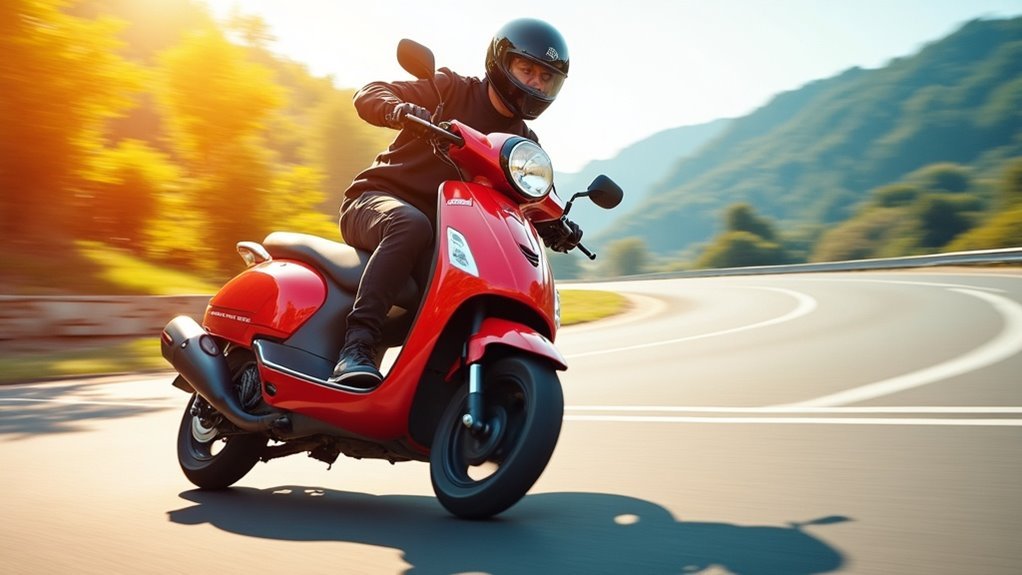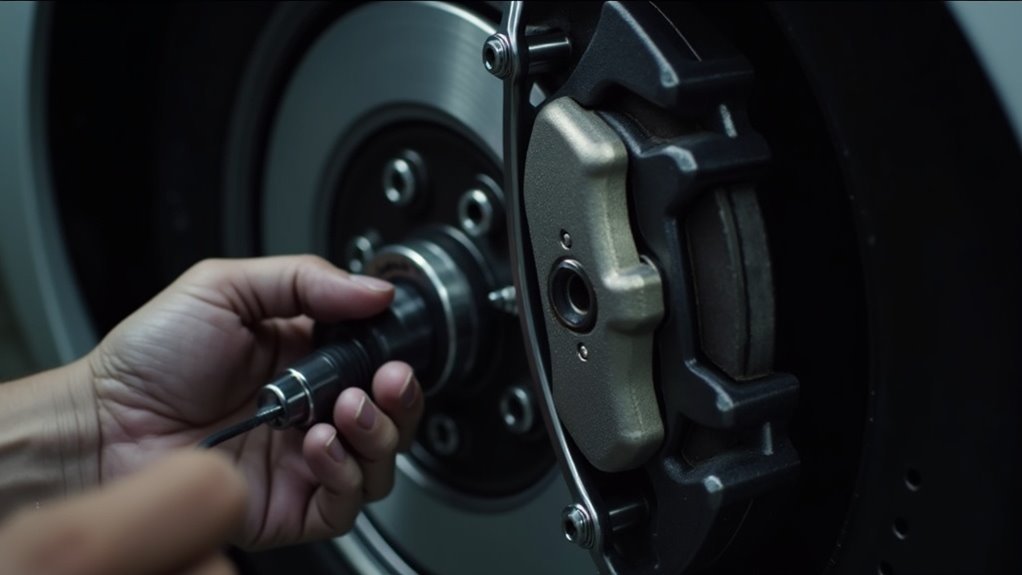
The brake bite point on electric bicycles and scooters is the point at which the brake engages when you pull the lever, significantly affecting how quickly your brakes respond. You can adjust it by fine-tuning the lever position or upgrading components such as your brake system and master cylinder. It’s also crucial to ensure that your brake fluid is fresh and that the brake lines are in good condition to optimize performance. Regular checks are essential to maintain responsiveness and safety, especially in the context of electric rides where quick stopping power is vital. Continue exploring methods to refine your setup for enhanced control and confidence on your electric bike or scooter.
Key Takeaways
- The brake bite point on electric bicycles and scooters determines when the brakes engage, significantly impacting responsiveness and lever travel during braking.
- A higher bite point results in quicker brake response, allowing for more immediate stops, while a lower bite point requires more lever travel before the brakes activate.
- Adjusting the lever position can enhance comfort and control, catering to individual hand strength and boosting confidence while braking.
- Regular maintenance, such as checking brake fluid levels and inspecting brake lines, is essential for ensuring optimal brake performance and safety on electric rides.
- Upgrading to stainless steel brake lines and high-performance master cylinders can greatly improve bite point responsiveness and overall braking efficiency for a safer and more enjoyable riding experience.
Understanding Brake Bite Point
The brake bite point is a crucial aspect of electric bicycle and electric scooter dynamics that determines how your brakes engage. This biting point significantly influences your vehicle’s responsiveness; a lower bite point means more lever travel before engagement, while a higher biting point allows for a quicker response when you need to stop.
Understanding your braking system is essential, as many electric bikes and scooters come with fixed brake systems that may not have adjustable features. Factors such as brake fluid level, brake cable condition, and potential air in the hydraulic lines can all impact performance.
Regularly checking these components and knowing how to bleed your brakes ensures optimal function, allowing you to customize your braking experience to your preferences and enhance safety while riding on the road.
Factors Affecting Brake Bite Point
Understanding the brake bite point is crucial for recognizing the various factors that influence it in electric bicycles and scooters. The design of the master cylinder plays a significant role in adjusting travel and responsiveness of the bite point.
Additionally, the condition of your brake lines is essential; old or flexible lines can expand under pressure, leading to delayed engagement. Upgrading to stainless steel brake lines can often enhance performance and provide a more consistent braking experience.
The condition of brake lines is crucial; upgrading to stainless steel can enhance performance and ensure consistent braking.
Regular maintenance is vital; checking for air bubbles in the brake fluid and ensuring proper fluid levels can greatly optimize the bite point.
Ultimately, all these factors work together to ensure a reliable and responsive braking experience on your electric bicycle or scooter.
Methods to Adjust Brake Bite Point
To adjust your brake bite point effectively on an electric bicycle or scooter, you can start with lever position adjustments, which can enhance your comfort and control while riding.
If you’re looking for a more significant change, consider upgrading your brake system to a more advanced model for improved responsiveness and stopping power.
Both methods can help you achieve a bite point that better suits your riding style and needs, ensuring a safer and more enjoyable ride.
Lever Position Adjustment
While many riders might overlook lever position as a factor in braking performance, adjusting it can greatly enhance your control over the bite point on electric bicycles and scooters.
By utilizing adjustable levers, you can fine-tune the distance from the lever to the handlebar, affecting how much free travel exists before engagement. This personalized setup not only accommodates individual preferences based on hand strength but also improves overall confidence during braking.
Understanding your needs is essential; with the right lever position, you can achieve a more responsive and precise braking experience, ensuring peak performance whether you’re navigating busy streets or cruising on scenic paths.
Master Cylinder Upgrade Options
Adjusting the brake bite point on electric bicycles or scooters isn’t solely about lever positioning; upgrading the master cylinder can significantly enhance your braking performance.
A master cylinder upgrade, especially to a radial design, can improve brake engagement by providing better leverage and quicker response. This leads to a more immediate bite point, which is crucial for safety and control.
Additionally, rebuilding your existing master cylinder ensures all components are functioning effectively, addressing any sluggishness in braking response.
Pairing this upgrade with stainless steel brake lines further reduces flex, enhancing overall brake feel and responsiveness.
The Importance of Brake Fluid
The Importance of Brake Fluid for Electric Bicycles and Scooters
Brake fluid plays a critical role in the braking systems of electric bicycles and scooters, ensuring that the brakes respond effectively to your commands. Over time, brake fluid can absorb moisture, which can lead to corrosion and a decrease in boiling point, ultimately affecting braking performance.
Brake fluid is vital for electric bicycles and scooters, as it ensures effective braking and prevents performance issues from moisture absorption.
Regularly flushing and replacing brake fluid is essential, especially if the fluid’s history is unknown, to maintain optimal brake feel. Fresh brake fluid enhances pedal responsiveness and overall braking performance in electric vehicles.
For electric bicycles and scooters equipped with hydraulic brakes, it’s particularly important to handle brake fluid carefully. When bleeding the brakes, take precautions to prevent air from entering the system, which can compromise braking effectiveness.
Always check that the brake fluid level is correct and free of contaminants to ensure reliable operation and safety on your rides.
Personal Preferences and Riding Style
Maintaining ideal brake fluid is just one aspect of achieving effective braking performance on electric bicycles and scooters; personal preferences regarding brake bite point are equally significant.
Your riding style and individual comfort levels play vital roles in determining the best brake feel for your electric ride.
- Longer free travel for smooth modulation, ideal for leisurely rides
- Quick bite point for immediate response, perfect for urban commuting
- Adjustments based on terrain and conditions, especially for off-road e-bikes
- Hand size and strength influence preferences, ensuring a comfortable grip on the brake levers
- Community insights can guide your setup, helping you find the perfect balance for your electric vehicle
Taking the time to understand and adjust these factors can greatly enhance your overall riding experience.
Common Issues and Troubleshooting Tips
When troubleshooting brake bite point issues on electric bicycles or scooters, it’s essential to evaluate the quality of your brake fluid; old or contaminated fluid can significantly impair performance.
Additionally, brake line expansion can affect responsiveness, causing inconsistent engagement.
Regular inspections and timely fluid changes are crucial for ensuring optimal brake function in your electric ride.
Brake Fluid Quality
Ensuring ideal brake fluid quality is essential for maintaining effective braking performance on electric bicycles and scooters, as old or contaminated fluid can absorb moisture and lead to corrosion within the braking system.
To optimize brake function, consider the following:
- Regularly check brake fluid levels to ensure optimal performance.
- Flush brake fluid if the maintenance history is unknown, as this can prevent issues down the line.
- Be cautious when bleeding brakes, especially in models with advanced ABS systems.
- Monitor for air trapped in the braking system due to degraded fluid.
- Replace fluid to enhance pedal feel and responsiveness, ensuring a smooth ride.
Staying vigilant about brake fluid quality can greatly enhance safety and responsiveness, allowing your electric vehicle to operate at its best.
Line Expansion Issues
While brake line expansion can be a common issue that affects performance in electric bicycles and scooters, it’s vital to recognize its impact on your braking system’s responsiveness.
Over time, flexible brake lines may deteriorate, causing increased internal volume and a spongy brake feel. This expansion can trap air, leading to inconsistent engagement during rides.
Regularly inspect your brake lines for signs of wear, such as bulging or cracking. Replacing old lines with stainless steel options can enhance performance considerably.
If you’re experiencing issues with brake bite, checking the condition of your brake lines is critical to ensure peak braking efficiency and responsiveness, especially in the dynamic environments that electric bicycles and scooters often encounter.