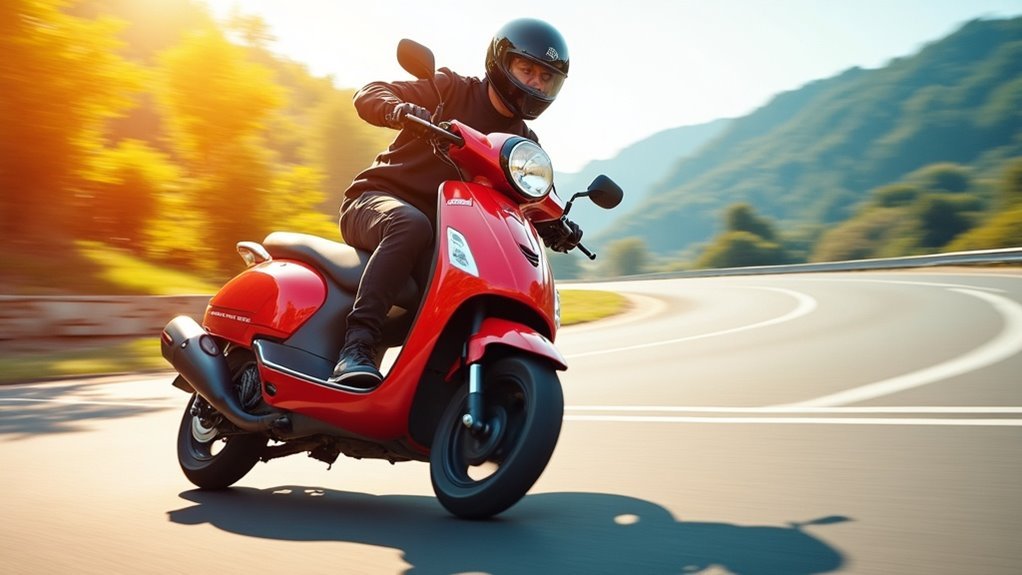
Thermal throttling is an important safety feature in electric bicycles and scooters that activates when temperatures exceed safe limits, usually around 70°C. When this occurs, riders may experience a noticeable decline in speed and acceleration, accompanied by lower power output. Additionally, you might notice an increase in fan noise as the cooling systems work harder to manage the heat. This precautionary measure is designed to protect the battery and motor, although it can affect your overall riding experience. Stay tuned to learn more about how temperature management impacts performance and the longevity of your electric bike or scooter.
Key Takeaways
- Thermal throttling is a safety feature that activates when the battery or motor temperatures of electric bicycles or scooters exceed safe limits, preventing potential damage.
- Riders may notice speed drops and reduced acceleration during demanding situations, such as climbing hills or accelerating quickly, due to thermal throttling.
- High battery temperatures in electric bicycles and scooters trigger cooling systems, resulting in increased fan noise and a reduction in power output.
- Signs of thermal throttling include lag, hesitations, and significant declines in responsiveness while riding, which can affect the overall riding experience.
- Monitoring tools can reveal battery temperatures exceeding 60°C, indicating potential thermal throttling issues that riders should be aware of to ensure optimal performance.
What Is Thermal Throttling?
Thermal throttling is an important safety feature in electric bicycles and scooters, particularly in their batteries and motors. This mechanism activates when temperatures exceed safe limits, usually around 70°C for battery packs and motor components.
Thermal throttling helps prevent overheating, which can lead to battery damage and decreased performance during demanding rides. When this feature kicks in, you might experience reduced acceleration, limited speed, and increased fan noise from cooling systems.
To better manage this, it’s essential to monitor battery temperatures and motor performance using tools available in some electric vehicle apps. By keeping an eye on your electric bike or scooter’s cooling systems, you can improve performance and minimize the adverse effects of frequent thermal throttling on your riding experience.
Understanding CPU and GPU Throttling
When your electric bicycle or scooter’s battery or motor gets too hot, it may automatically reduce power output to prevent overheating. This thermal throttling typically occurs around 60°C for batteries and 70°C for motors, resulting in decreased acceleration and efficiency during rides. You might notice a reduced top speed or sluggish performance on inclines. To address this, you can monitor temperatures using tools like a digital thermometer or by checking the battery management system (BMS) display if equipped. If you frequently experience throttling, it may indicate inadequate cooling solutions, such as poor ventilation or prolonged exposure to high temperatures. Here’s a quick reference:
| Component | Throttling Temp | Symptoms | Monitoring Tools | Cooling Solutions |
|---|---|---|---|---|
| Battery | 60°C | Reduced power output | Digital thermometer, BMS display | Ensure proper ventilation |
| Motor | 70°C | Sluggish acceleration | Digital thermometer, BMS display | Avoid prolonged high-load conditions |
Signs of Thermal Throttling
You might notice several signs indicating performance issues in your electric bicycle or scooter, especially during high-demand situations like steep climbs or rapid accelerations.
Speed drops can occur, with the maximum speed decreasing when faced with challenging terrain. High battery temperatures may trigger your cooling methods, causing the system to limit power output to prevent overheating.
You might experience noticeable lag or hesitations as the motor reduces output to protect the battery. Using monitoring tools or apps can reveal battery temperatures exceeding safe limits, typically around 60°C.
If you see a significant decline in responsiveness or power, it’s likely that your system is throttling to safeguard your electric vehicle from damage.
Common Causes of Thermal Throttling
Several factors can contribute to thermal throttling in electric bicycles and scooters, which can lead to performance issues.
Poor airflow due to obstructions in the design or insufficient ventilation can raise motor temperatures, triggering throttling. Dust accumulation on components like the motor and battery can hinder heat dissipation, causing overheating.
Insufficient ventilation and dust buildup can elevate motor temperatures, leading to performance-throttling issues in electric bicycles and scooters.
If you push your electric bicycle or scooter beyond its limits without adequate cooling solutions, you risk generating excessive heat that results in throttling. Additionally, using old or inadequate thermal paste on battery connections can affect the efficiency of heat transfer, exacerbating overheating issues.
Operating in high ambient temperatures can also elevate motor and battery temperatures, making effective thermal management essential for optimal performance.
How to Prevent Thermal Throttling
Preventing thermal throttling is essential for maintaining the performance and longevity of your electric bicycle or scooter. Here are some effective strategies:
| Method | Description |
|---|---|
| High-Quality Coolers | Use effective cooling systems to dissipate heat, such as adding external fans or optimizing airflow around the battery and motor. |
| Battery Management | Ensure your battery management system (BMS) is functioning properly to prevent overheating during charging and discharging. |
| Regular Maintenance | Regularly check and clean components, including motors and batteries, to remove dust and debris that can obstruct airflow. |
Additionally, consider monitoring the temperature of your electric bicycle or scooter’s battery and motor with available temperature sensors. Making sure to ride in cooler conditions and avoiding excessive load can also help maintain optimal thermal performance and prevent thermal throttling.
Monitoring Temperatures and Performance
While riding your electric bicycle or scooter, monitoring temperatures and performance is crucial to prevent overheating and ensure a smooth experience. Keep an eye on your battery and motor temperatures, as excessive heat can lead to reduced efficiency and performance drops.
Utilize tools like battery management systems or onboard diagnostics to track battery temperatures, ensuring they stay within the recommended range. For optimal performance, monitor motor temperatures and watch for any sudden drops in acceleration, which may indicate thermal throttling.
Increased motor sounds or vibrations can also be signs of overheating. If you notice any issues, consider taking a break to let your electric ride cool down.
Regularly check the cooling systems of your electric bicycle or scooter to maintain peak performance and enjoy a safe, enjoyable ride.
Impact of Thermal Throttling on User Experience
When your electric bicycle or scooter experiences thermal throttling, it can significantly affect your overall riding experience. You may notice a considerable drop in performance, with battery temperatures causing speeds to decrease by up to 50%.
This slowdown can result in sluggish acceleration and longer charging times. In hilly terrains, reduced power output can lead to stalling and difficulty maintaining speed, which can diminish your enjoyment.
High motor temperatures may also cause increased noise from the cooling systems working overtime to manage heat. Additionally, frequent thermal throttling can shorten the lifespan of your battery and motor, accelerating wear on your components.
Utilizing monitoring tools can help you identify these issues and optimize your electric ride’s performance.
Final Thoughts on Managing Thermal Throttling
Managing thermal throttling effectively can greatly enhance your experience with electric bicycles and electric scooters. Regularly monitor the battery temperature and motor performance to catch potential throttling early.
Ensure peak airflow by keeping the vents and cooling systems clean, which helps maintain optimal temperatures. Check and replace thermal paste if applicable, as this can improve heat transfer and efficiency.
Consider adjusting the power settings to reduce heat generation without sacrificing performance. Upgrading to better cooling systems, such as high-performance battery management systems or improved motor cooling solutions, can significantly mitigate performance issues during demanding rides, ensuring your electric vehicle operates smoothly and lasts longer.