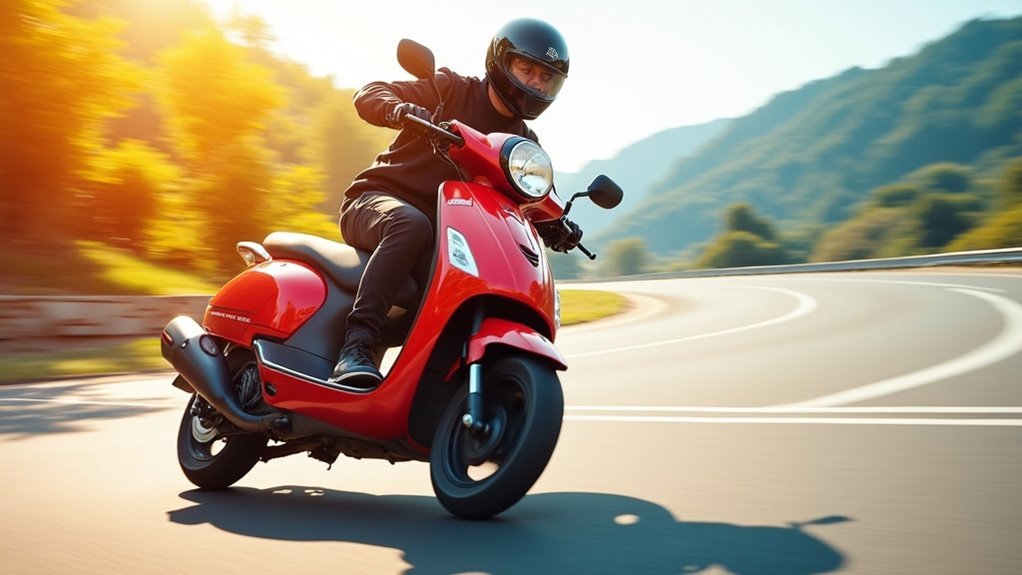
Electric bikes can be dangerous due to a significant rise in serious injuries, especially head trauma, which has increased 49-fold. Riders often reach speeds up to 28 mph, leading to reduced reaction times and more severe collisions. Many safety regulations are unclear, and there’s a serious lack of education around safe riding practices. This combination creates a concerning environment for both young and adult riders. If you want to know more about these risks, continue exploring the topic.
Key Takeaways
- E-bike injuries have surged, with a 49-fold increase in head trauma, especially among riders under 18, highlighting significant safety risks.
- E-bikes can reach speeds of 28 mph, increasing collision risks and resulting in more severe injuries compared to traditional bicycles.
- Regulatory inconsistencies and a lack of enforcement can lead to e-bikes exceeding safety limits, contributing to dangerous riding conditions.
- Reduced physical activity due to motor assistance on e-bikes may lead to lower fitness levels and diminished health benefits compared to traditional biking.
- Insufficient safety education and low participation in safety initiatives leave many riders unaware of safe practices and traffic laws, increasing injury rates.
Increased Risk of Serious Injuries
As e-bikes gain popularity, it’s vital to recognize the increased risk of serious injuries they pose. E-bike injuries have skyrocketed, with a staggering 49-fold rise in reported head trauma over five years.
Pediatric populations are particularly at risk, as 35% of e-bike-related trauma affects individuals under 18, leading to heightened injury severity.
Studies show that 65% of crash patients suffer orthopedic injuries, often more serious than those from traditional bicycles. With injuries like pelvic fractures mirroring motorcycle accidents, understanding these complexities is important for promoting safety and creating awareness around the potential dangers of electric bikes for all riders.
Higher Speeds and Greater Collision Potential
While the thrill of riding an electric bike (e-bike) can be exhilarating, the reality is that higher speeds greatly increase collision potential. E-bikes can reach up to 28 mph, unlike traditional bicycles averaging 8 to 12 mph.
This speed difference leads to significant risks:
- Reduced reaction time in emergencies.
- Increased likelihood of e-bike accidents.
- Higher severity of injuries during collisions.
- Greater risk of fatal outcomes when involved with motor vehicles.
With rising e-bike injuries, particularly in San Diego, it’s essential to prioritize safety standards and awareness to mitigate these dangers.
As e-bike injuries rise, especially in San Diego, prioritizing safety and awareness is crucial.
Always ride responsibly.
Misleading Safety Perceptions for Young Riders
E-bikes often feature attractive designs that appeal to younger riders, but this can create a misleading sense of safety.
You mightn’t realize that these bikes can reach speeds of up to 28 mph, greatly increasing the risk of injury compared to traditional bicycles.
Understanding the true dangers associated with speed is essential for fostering safer riding habits among young users.
Attractiveness of E-Bike Designs
How do the striking designs of electric bikes impact young riders’ perceptions of safety?
Attractive e-bike aesthetics can mislead both riders and parents, creating a false sense of security. This can lead to underestimating risks associated with high-speed riding.
Consider these factors:
- Vibrant colors and sleek shapes overshadow safety features.
- Heavier batteries increase injury severity.
- 35% of e-bike injuries occur in pediatric populations under 18.
- The Consumer Product Safety Commission warns kids under 12 shouldn’t operate e-bikes over 10 mph.
These alluring designs can distract from the essential safety precautions needed, increasing risks for young, inexperienced riders.
Misunderstanding of Speed Risks
Why do so many young riders and their parents underestimate the risks associated with e-bike speeds?
E-bikes can reach up to 28 mph, far exceeding traditional bicycles, which can create a false sense of security. The Consumer Product Safety Commission advises against children under 12 riding e-bikes over 10 mph due to serious safety concerns.
With 35% of e-bike-related injuries affecting those under 18, the potential for severe orthopedic injuries increases considerably.
Young riders may not realize that attractive designs and pedal-assist features don’t mitigate the risks. Understanding these speed-related dangers is vital for protecting our children on e-bikes.
Regulatory Challenges and Variability
As you explore the world of electric bikes, you’ll quickly discover that regulatory challenges and variability can create a complex landscape.
Consider these key factors:
- E-bike regulations differ by country and state, leading to confusion.
- In the US, federal laws cap motors at 750 watts and require pedals, but many areas lack enforcement.
- Conversion kits can push e-bikes beyond maximum speed limits, complicating safety.
- The Consumer Product Safety Commission’s upcoming rulemaking reflects growing concerns over rising injuries linked to these disparities.
These inconsistencies in e-bike safety regulations ultimately contribute to increased injuries and highlight a pressing need for standardized guidelines.
Impact on Physical Fitness and Health Benefits
When you choose an e-bike, you might find yourself relying more on motor assistance, which can reduce your overall physical activity.
This convenience can lead to longer commutes with less exertion, impacting your cardiovascular and muscular fitness compared to traditional biking.
While e-bikes offer a fun way to get around, it’s essential to reflect on how this shift affects your health and fitness levels.
Reduced Physical Activity
While electric bikes offer a convenient and enjoyable alternative to traditional cycling, they can inadvertently lead to reduced physical activity levels, impacting your overall fitness and health.
Consider these factors:
- Lower calorie-burning potential due to reliance on electric assistance.
- Decreased physical fitness as less vigorous exercise becomes the norm.
- Increased sedentary behavior, as you might choose e-bikes over walking.
- Fewer health benefits, like improved cardiovascular health and decreased chronic disease risks, from diminished exertion levels.
Ultimately, while e-bikes are appealing, they may hinder your physical health in the long run.
Dependency on Motor Assistance
Relying on motor assistance from electric bikes can greatly impact your physical fitness and health benefits. As e-bike users enjoy reduced physical exertion, they may overlook the cardiovascular fitness gained from traditional biking. This dependency can lead to shorter, less intense rides, diminishing muscle strength and endurance. While e-bikes attract new cyclists, the overall health benefits may lag behind those who engage in non-motorized cycling. Recognizing this, it’s essential to assess your activity levels honestly to guarantee you’re meeting your fitness goals.
| Aspect | E-bikes |
|---|---|
| Physical Exertion | Reduced |
| Cardiovascular Fitness | Potentially Decreased |
| Muscle Strength | Diminished |
| Overall Health Benefits | Less Pronounced |
E-Bike Design and Acceleration Risks
As e-bikes gain popularity, understanding their design and acceleration risks becomes essential for safe riding.
Consider the following factors:
- E-bike design prioritizes speed, often sacrificing lightweight frames typical of traditional bicycles.
- Heavier batteries can lead to faster acceleration, especially downhill.
- Higher speeds—up to 28 mph—reduce your reaction time, increasing the risk of severe injuries.
- Inexperienced riders may overestimate their control, leading to hazardous behaviors in traffic.
Acknowledging these risks can help you make informed decisions, ensuring safer rides while serving your community and promoting responsible e-bike usage.
Insufficient Safety Education and Training
The rapid rise in e-bike popularity brings with it a significant challenge: the lack of adequate safety education and training for riders. Insufficient safety education contributes to e-bike accidents, especially among inexperienced riders. Many injuries could be prevented with proper education programs that emphasize safe riding practices and awareness of traffic laws. While initiatives from the California Highway Patrol exist, participation remains low. Public awareness campaigns are essential to informing riders about risks.
| Factor | Impact on Riders | Recommended Actions |
|---|---|---|
| Lack of Licensing | Unprepared riders | Implement licensing system |
| Inexperienced Riders | Increased accident rates | Structured training programs |
| Low Participation | Knowledge gaps | Boost public awareness |
| Poor Traffic Law Awareness | Dangerous riding behavior | Educate on traffic laws |
| Insufficient Safety Education | Higher injury rates | Community workshops |
Growing Public Health Concerns
While e-bikes offer an exciting alternative to traditional transportation, their increasing popularity raises significant public health concerns.
You should consider these alarming statistics:
- E-bike injuries surged from 3,500 in 2017 to 24,400 in 2022.
- Riders face a higher risk of fatal injuries in collisions with motor vehicles.
- 65% of injured e-bike riders suffer orthopedic injuries, highlighting severe trauma.
- Pediatric studies show children under 18 experience 35% of e-bike-related trauma, prompting the Consumer Product Safety Commission (CPSC) to recommend that kids under 12 shouldn’t operate e-bikes exceeding 10 mph.
It’s essential to address these growing public health concerns effectively.